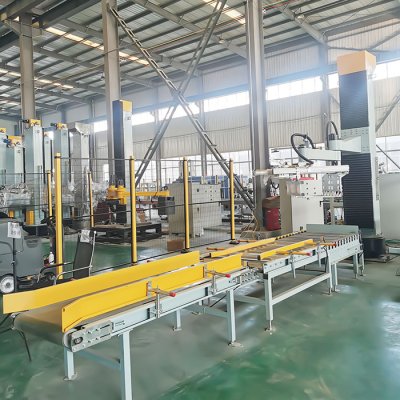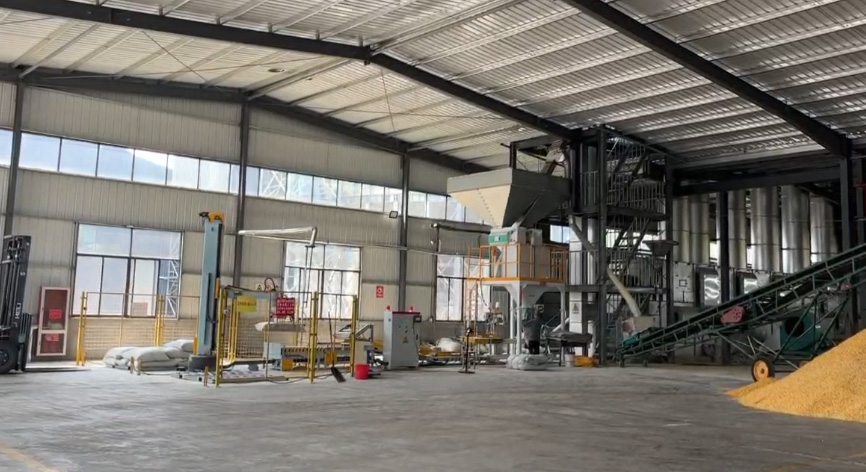
Corn flake filling and palletizing production line
I. Core Advantages
1. Efficient automation, greatly improving production capacity ◦ Continuous operation: Automatically complete the entire process of weighing, bagging, sealing, and palletizing without manual intervention, and the speed can reach 800~1200 bags/hour (based on 25kg/bag). 24-hour operation: High stability, suitable for continuous production, 3~5 times more efficient than manual operation.
2. Precise control to reduce errors ◦ High-precision weighing: The dynamic error of the electronic scale is ≤±0.2%, avoiding manual weighing deviation. ◦ Neat palletizing: The robot stacks according to the preset program, with consistent layer height and arrangement (such as 20 layers per stack, error ±5mm), which is conducive to warehousing and transportation.
3. Reduce labor costs and labor intensity ◦ Reduce the labor demand in packaging, handling, and palletizing. One device can replace 4~6 workers, saving salary and training costs in the long term. ◦ Avoid heavy physical labor and reduce the risk of work-related injuries (such as lumbar muscle strain, smashing, etc.).
4. Flexible adaptation to various production needs ◦ Adjustable packaging specifications: quickly switch between different weights (such as 10kg/50kg) or bag sizes through parameter settings. ◦ Various palletizing modes: support "tic-tac-toe" and "rotating" palletizing modes, and adapt to different pallet sizes (such as European standard 1200×800mm or American standard 1200×1000mm).
5. Improve product safety and consistency ◦ Sealing guarantee: automatic heat sealing or sewing, sealing qualification rate ≥99.5%, reducing moisture and contamination risks. ◦ Full traceability: The inkjet printer automatically marks the batch/date, and cooperates with the scanning system to achieve quality tracking. 2. Additional advantages • Optimization of space utilization
The palletizer can stack higher (such as 2.5 meters), which increases the warehouse storage density by 20%~30% compared with manual palletizing. • Reduce material waste
Automatic packaging accurately controls the filling amount to avoid leakage or overloading caused by manual operation. • Intelligent management
Can be connected to the MES/ERP system to monitor production and fault alarm in real time and optimize production scheduling
1. Corn flake production process
1. Raw material pretreatment ◦ Cleaning and impurity removal: Corn is passed through a vibrating screen, magnetic separator, etc. to remove impurities such as stones and metals. ◦ Moisturizing and conditioning: Add water or steam to adjust the moisture (about 15%-20%) and soften the corn kernels.
2. Cooking and softening ◦ Corn is cooked in a high-temperature and high-pressure cooking tank (about 100-120℃, 30-60 minutes) to gelatinize the starch.
3. Flake forming ◦ The cooked corn is pressed into thin flakes (usually 0.5-2mm thick) by a roller flaking machine (temperature about 80-100℃).
4. Drying and cooling ◦ Drying: Hot air drying (60-80℃) reduces the moisture to 10%-12%. ◦ Cooling: Cool to room temperature at room temperature to avoid condensation.
2. Packaging process
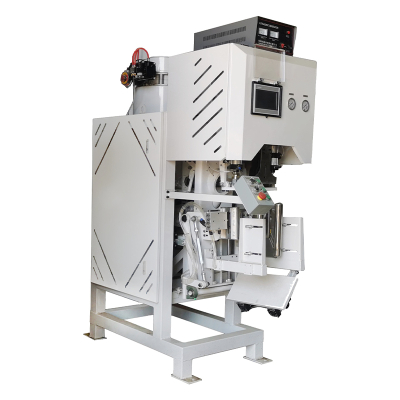
1. Measuring and packaging ◦ Automatically weigh the bags according to the set weight (such as 25kg/bag) by electronic scale or flow scale. ◦ Pre-made bags (such as 5kg/bag) may be used for small packages, and woven bags or FFS (form-fill-seal) packaging machines may be used for large packages.
2. Sealing and inkjet printing ◦ Sealing by heat sealing or sewing machine, and printing information such as production date and batch number by inkjet printer.
3. Metal detection ◦ After packaging, pass through the metal detector to ensure that no metal impurities remain.
3. Palletizing process
1. Automatic transportation ◦ The bags are transported to the palletizing area via a conveyor belt, and the barcode is scanned to confirm the specifications.
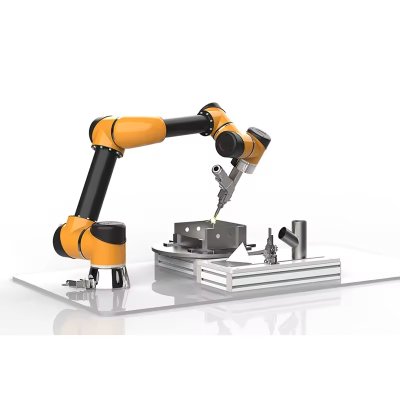
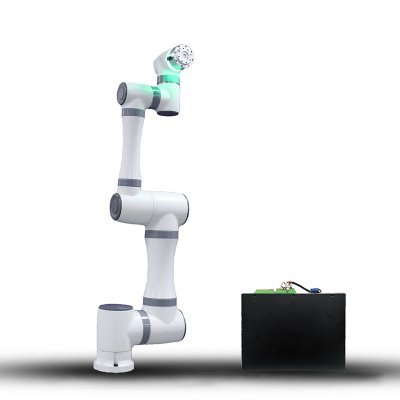
2. Robot/palletizer stacking ◦ The robot arm or gantry palletizer stacks the bags into pallets according to a preset program (such as 4 bags per layer and 5 layers high). ◦ Pallets are usually made of wood or plastic (size such as 1200×1000mm).
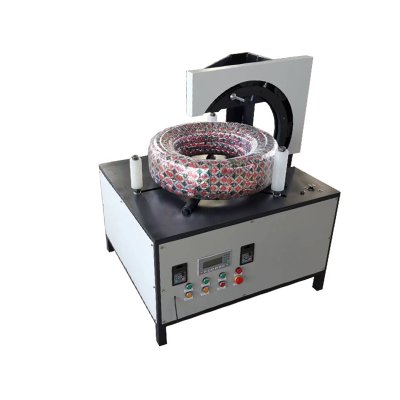
3. Fixing and storage ◦ Wrap with stretch film to prevent dispersion, and transport to warehouse by forklift (cool and dry environment). IV. Key control points • Quality inspection: tablet thickness, moisture content, and packaging tightness. • Automation equipment: PLC control system integrates production line to reduce manual intervention. • Safety regulations: equipment protection, dust explosion prevention measures (such as dust removal system)