Nuts Packaging and Palletizing Solutions-Hefei International Exhibition
Bremetz held an exhibition on nut snack packaging machinery at the Hefei International Convention and Exhibition Center from April 17 to 21, 2025.
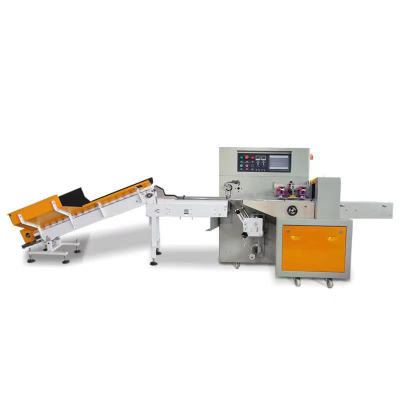
The main exhibits are: packaging machines, labeling machines, sealing machines, parallel packing robots, collaborative packing and palletizing robots, and box palletizing industrial robots.
The packing process of nut snacks is a systematic process involving multiple links to ensure that the products enter the market safely, hygienically and efficiently. The following is a detailed breakdown of the steps:
1. Sorting and classification Raw material sorting: sort according to the type of nuts (such as almonds, cashews, walnuts) or specifications (size, completeness), and remove impurities or unqualified products. This process mainly uses a sorting machine Pretreatment: Some nuts may need to be roasted, seasoned or sterilized to ensure quality.
2. Weighing and packaging Accurate weighing: Use automated weighing equipment to ensure that the weight of each bag/can meets the standard (such as ±1g error). Packaging form: You can choose vacuum bagging, canning or nitrogen filling packaging to extend the shelf life. The packaging material must have moisture-proof and anti-oxidation functions. Sealing and labeling: The heat sealer seals the package and affixes a label containing information such as production date, batch, and nutritional ingredients.
3. Quality inspection Metal detection: Metal detectors are used to exclude metal foreign objects. Visual inspection: Automated visual systems or manual sampling to check package integrity (such as air leakage, contamination). Weight verification: Randomly check the weight of the package to avoid short weight.
4. Packing process Packing strategy: Space optimization: Robotic arms or manual stacking in a fixed arrangement to reduce shaking during transportation (such as staggered arrangement). Buffering materials: Use corrugated paper partitions, bubble pads or degradable fillers to prevent shock. Quantity control: Use counters or sensors to ensure that the number of each box is accurate (such as 20 bags/box).
5. Sealing and labeling Sealing technology: Automatic carton sealers use tape or hot melt adhesive to seal to ensure that the box is firm. Labeling and traceability: Logistics labels, product information and QR codes are affixed to the outer box to facilitate batch and production chain tracing.
6. Final inspection and stacking Weighing the whole box: Check whether the total weight matches the expectation and identify missing/excessive packages. Stacking standardization: Stack according to the pallet size (such as 1200×1000mm), fix with wrapping film to prevent collapse during transportation.
7. Warehousing and transportation Environmental control: Keep the warehouse dry and ventilated, and some products need to be stored at low temperature.Logistics preparation: Load according to the order, use shockproof vehicles or containers, and avoid high temperature and humid environment.
Optimization and safety considerations Automation upgrade: Introduce robots to improve sorting and packing efficiency and reduce manual errors.
Compliance: Comply with food safety standards such as HACCP and ISO22000, and clean equipment regularly. Environmental protection measures: Use recyclable cartons and biodegradable fillers to reduce carbon footprint.Problem response strategy Anti-damage: Strengthen the box material (such as double-layer corrugated paper) and add corner pads.
Flexible adjustment: Configure adjustable packing equipment to meet the needs of multiple specifications.